


"Science is not a boy's game, it's not a girl's game. It's everyone’s game." — Nichelle Nichols, NASA Ambassador
In a landscape that has traditionally underrepresented Black women, the science world in the UK is witnessing a shift. Black women are increasingly taking their rightful place in labs, research institutions, and scientific organisations. They’re not only contributing to the body of knowledge but are also breaking barriers and setting examples for future generations. Their journeys aren’t just about personal achievement—they’re reshaping the scientific narrative.
Breaking the Mold
The number of Black women in UK science is still small, but the impact of those who have made it is enormous. According to a report by the Royal Society, only 2% of UK scientists are Black, and women make up an even smaller fraction of that. But these statistics don’t tell the full story. The Black women excelling in science today are not just numbers—they are innovators, mentors, and leaders. And their contributions span fields from medicine to astrophysics.
1. Dr Maggie Aderin-Pocock MBE – Space Scientist and Educator
When you think of Black women in UK science, Dr Maggie Aderin-Pocock's name stands tall. As a space scientist and presenter of the BBC’s *The Sky at Night*, Maggie’s journey is one of tenacity and brilliance. From working on satellites to inspiring the next generation of space enthusiasts, her passion for the cosmos is contagious. She’s a strong advocate for encouraging more young girls and minority groups to pursue careers in STEM.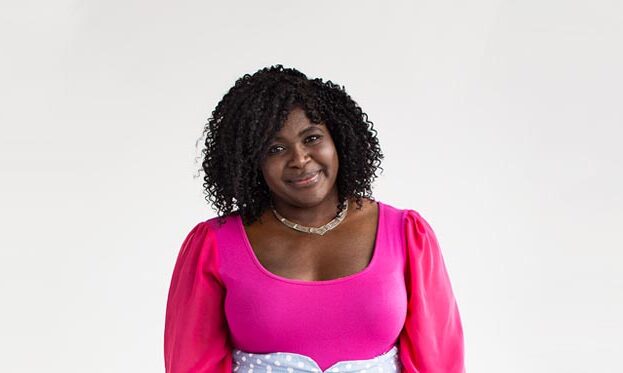
Maggie’s story is a reminder that perseverance and curiosity can lead you to the stars—literally!
2. Dr Anne-Marie Imafidon MBE – Mathematics and Tech Prodigy
Dr Anne-Marie Imafidon, co-founder of Stemettes, is another leading light in the intersection of science, technology, and education. At just 20 years old, she was one of the youngest people ever to graduate with a master’s degree in Mathematics and Computer Science from the University of Oxford. Through Stemettes, she has worked tirelessly to inspire young girls—particularly those from underrepresented groups—to take up STEM subjects.

She’s not just closing the gender gap in science—she’s closing the diversity gap too.
3. Dr. Yolanda Ohene – Neuroscientist and MRI Specialist
Dr. Yolanda Ohene is pushing the frontiers of medical imaging. As a neuroscientist specialising in MRI techniques, she’s developing new ways to visualise diseases such as dementia. Her work could lead to earlier diagnoses and more effective treatments, improving countless lives. In a field that’s often hidden from public view, Yolanda’s groundbreaking research is a reminder that the most impactful science is sometimes the one that happens behind the scenes.
Challenges: Paving the Way Amidst Barriers
Black women in science often face a double bind—juggling the challenges of both racial and gender bias. The statistics are stark. A recent study by Leading Routes found that fewer than 1% of professors in UK universities are Black. And of this small number, Black women are even more underrepresented. This lack of visibility can deter aspiring scientists, making the work of those already in the field all the more important.
But it’s not just about climbing the career ladder—it’s about making sure the ladder exists for others. Black women in UK science are not only pushing through glass ceilings; they’re also mentoring, advocating, and creating pathways for others to follow. Their work is pivotal to ensuring that science reflects the diversity of society itself.
What Needs to Happen Next?
It’s clear that while progress is being made, there is still a long way to go. Institutions must actively work to support Black women in science through mentorship programs, scholarships, and visible representation. The scientific community needs to focus not just on diversity but on creating an environment where Black women can thrive, innovate, and lead.
Steps for Aspiring Black Women in Science:
1. Find a Mentor: Seek out women who have already paved the way in your field. Learning from their experiences can help you navigate your own career path.
2. Join STEM Networks: Organisations like Stemettes and the Black Women in Science Network offer invaluable resources, connections, and opportunities.
3. Public Engagement: Follow the lead of women like Dr Titi Shodiya, who use their platform to make science accessible. Get involved in science communication to inspire others.
4. Challenge the Status Quo: Don’t be afraid to speak up about barriers you face. Black women in science are pushing for institutional change—and your voice matters.
Conclusion: Shaping Tomorrow
The future of science is brighter, thanks to the contributions of Black women across the UK. From astrophysics to neuroscience, these trailblazers are making their mark in a field that needs their voices. But more than that—they’re opening doors for the next generation of Black women scientists to walk through, ensuring that the world of science is as diverse as the society it serves.
The next great discovery might come from a Black woman scientist. Let’s make sure she has the support she needs to make it happen!